It’s a familiar feeling: you plop down with your phone or TV remote, ready to unwind with some passive entertainment. Yet, minutes or sometimes even seconds in, a creeping sense of boredom settles in. How can something designed to relax and distract us also leave us feeling restless or disconnected? In this post, we'll dive into why passive viewing fatigue happens, explore the contrast between passive and active participation, and unpack how streaming services and mobile devices both facilitate and frustrate modern entertainment habits.
The Landscape of Passive Entertainment Today
Thanks to the rise of streaming services like Netflix, Disney+, and countless mobile apps, entertainment is more accessible than ever. When I used to work at a video store, we had one or two new releases per week—and you had to physically show up to rent or buy them. Now, on any mobile device or smart TV, thousands of titles await, instantly. One client recently told me learned this lesson the hard way.. While convenience is a win, it brings its own set of challenges.
- Thousands of choices at your fingertips “Autoplay” and endless recommendation algorithms Multi-device consumption fragments attention
These factors combine to create what many call choice overload, a paradox of having so many options you end up feeling overwhelmed rather than delighted.
Passive Viewing vs. Active Participation
One major reason passive entertainment can feel boring lies in the fundamental difference between passive and active engagement. When you're passively watching a show or scrolling through videos, you’re mainly absorbing content without giving much in return.
What Does Passive Viewing Involve?
- Minimal decision-making after the initial choice Low physical or mental involvement Emotional reactions but limited interaction
Compare that to active participation, like playing a video game, hosting a movie night where everyone picks a clip to discuss, or even engaging in a trivia app based on show knowledge. These forms demand cognitive effort, decision-making, and often social interaction.
This need for interaction ties into our brain chemistry: dopamine hits come not just from the content but from feeling involved, contributing, or controlling the entertainment experience. Passive consumption can lead to a dull dopamine drip, which translates into the boredom many recognize as passive viewing fatigue.
How Streaming Services and Mobile Devices Impact Attention
Streaming platforms are masters of keeping us “hooked,” yet ironically, their design often encourages a quick-switching attention span that undermines deep enjoyment.
Feature Impact on Attention Result Autoplay Next Episode Reduces effort to keep watching Encourages binge but can exhaust interest Algorithmic Recommendations Constantly suggests new content Choice overload and decision paralysis Multi-device Syncing Can start/stop anywhere Frequent interruptions and context lossThink about it: when watching passively on mobile devices, the temptation to scroll social media, check messages, or launch another app pulls focus away. This split attention means you might not feel fully satisfied or transported by any one piece of entertainment—a classic setup for boredom to creep in.
The Psychology Behind the Need for Participation
Humans crave a sense of control and contribution in many aspects of life—including entertainment. Our attention rewards systems light up more when we feel actively involved, have choices with meaningful consequences, or receive immediate feedback. Passive watching rarely provides these. The result:
- Decreased engagement over time Lower emotional investment Faster onset of fatigue and boredom
Interactive mechanics, even in traditionally passive formats, help counteract this. Think of:
- Choose-your-own-adventure episodes on Netflix Movies with companion apps offering trivia or challenges Video games based on popular shows or films
These options let viewers become participants, not just spokespersons of endless consumption.
Mix-and-Match Entertainment Evenings: A Solution to Passive Viewing Fatigue
One practical approach I’ve recommended to friends (and myself) is mixing passive entertainment with more interactive elements. Consider evenings where you don’t purely binge-watch—try combining multiple formats to balance mental stimulation and relaxation.
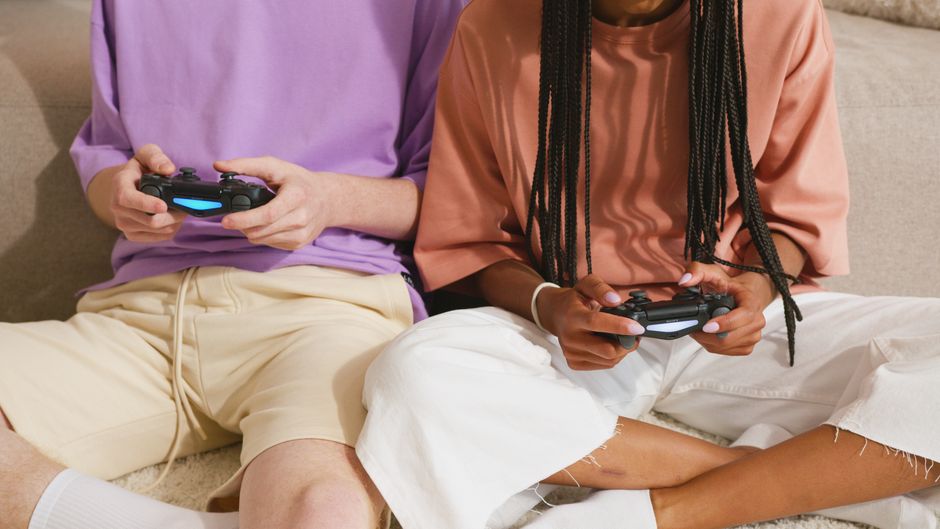
This mix-and-match approach harnesses the best of passive and active entertainment, staving off boredom and making evening routines feel fresher.
Final Thoughts: Convenience Is Double-Edged
Streaming services’ convenience and abundance bring unmatched access but also foster the very passive viewing fatigue that makes us feel bored sometimes. Combined with mobile devices’ constant notifications and multi-tasking temptations, it’s no surprise that pure passive consumption can lose its luster quickly.
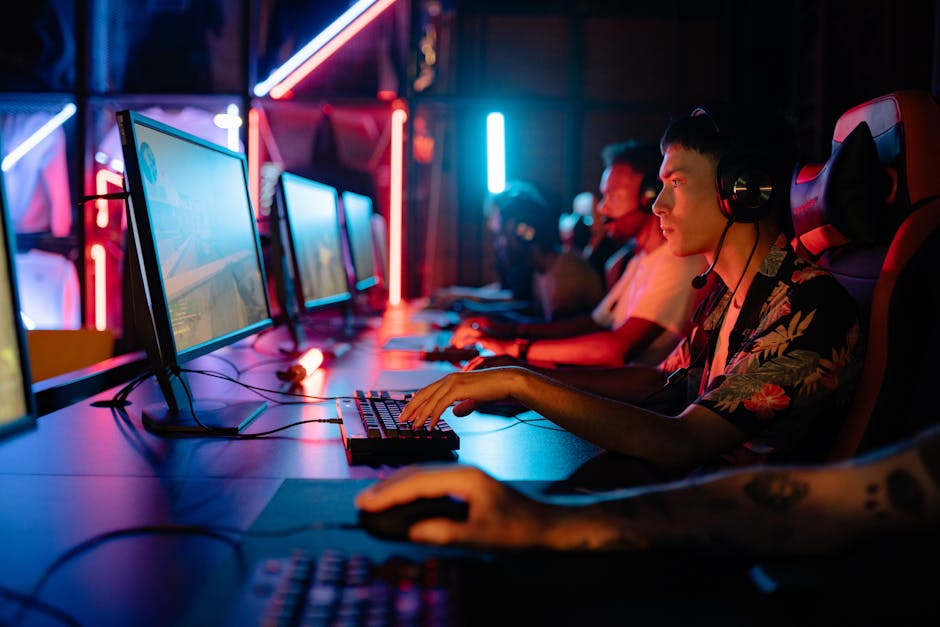
Meeting the need for participation through interactive mechanics or mixing entertainment formats can reinvigorate how we unwind. Rather strategy games for beginners than just absorbing, engaging mindfully—with family, friends, or even solo—helps turn “boring” nights into memorable experiences.
So next time you find your attention waning mid-show or movie, try switching gears. Play a quick game, dive into a related podcast, or simply pause and reflect. Entertainment doesn't have to be a passive drip; it can be a participatory feast if you give it room to breathe.
What We Watched After Dinner: A Recap
- “Stranger Things” episode + Upside Down-themed puzzle game “The Queen’s Gambit” + friendly chess match Short anime film + drawing/sketching break
These evenings felt more vibrant, balanced, and ultimately less boring than marathon passive binges.