If you’ve ever found yourself knee-deep in a late-night tracking session only to notice the monitor volume creeping up, you’re not alone. Many engineers, producers, and musicians face the same struggle: a gradual increase in monitor volume, or what we call monitor volume drift and loudness creep. This phenomenon often happens without us realizing it, and it’s closely tied to the physical and mental effects of mixing fatigue, ear fatigue, and the infamous late-night creative buzz.
After spending over a decade in studios—tracking from 7 pm to 3 am in small commercial rooms and cool room for sleep onset home setups—I’ve learned that these late-night volume increases are a trap. Here’s why it happens, why you should care, and practical ways to stop turning your studio monitors up all night.
Why Does Monitor Volume Drift Happen?
1. The Synchrony Effect and Late-Night Creativity
Picture this: it’s late, you’re alone in the studio, sound bouncing off the walls of a cozy but less-than-ideal acoustic space. The creative juices are flowing, but so is the mental fog creeping in from hours of focus.
This is where the synchrony effect kicks in—a cognitive state where your sensory perception and brain processing become tightly coupled to the stimulus (the music you hear). Essentially, your brain tunes into the music and tries to analyze it incredibly critically during these late hours.
The result? Your brain begins demanding more stimulus to stay alert and engaged. That craving leads to gradually turning up the volume to keep the excitement alive, creating the monitor volume drift phenomenon that traps many night owls.

2. Ear Fatigue and Temporary Threshold Shift
One of the less-talked-about culprits behind loudness creep is ear fatigue, a temporary loss of auditory sensitivity after prolonged exposure to sound. Scientifically termed temporary threshold shift (TTS), it means your ears literally become less sensitive after hearing loud music for extended periods.
When your ears are fatigued, subtle details in the mix can seem buried, prompting you to increase monitoring levels in an attempt to hear more clearly. But here’s the kicker: pumping up the volume only accelerates ear fatigue, making this a vicious cycle that can deteriorate your hearing follow this link over time.
The Pitfalls of Loudness Creep and Mixing Fatigue
Before we jump into solutions, it’s important to understand the consequences of loudness creep and prolonged late-night mixing. These issues can turn a great session into a disaster by dawn.
- Loudness Creep: The gradual increase in monitor volume negatively biases your mixing decisions, leading you to over-compress or over-EQ tracks. Mixing Fatigue: Tired ears and brain fog degrade your spatial and frequency perception, making you less objective and more prone to mix mistakes. Sleep Deprivation: Skipping rest or working until dawn leads to poor judgment, impacting your entire creative process.
Having been a former assistant engineer who learned the hard way that the 3 am mix rarely survives the next morning, I keep a mental list of “2 am decisions” to redo after proper sleep.
Why You Shouldn’t Just “Mix Louder”
One thing that annoys me in the studio is when people respond to tired ears and mixing fatigue by just turning everything louder. It doesn’t fix the problem; it only deepens it.
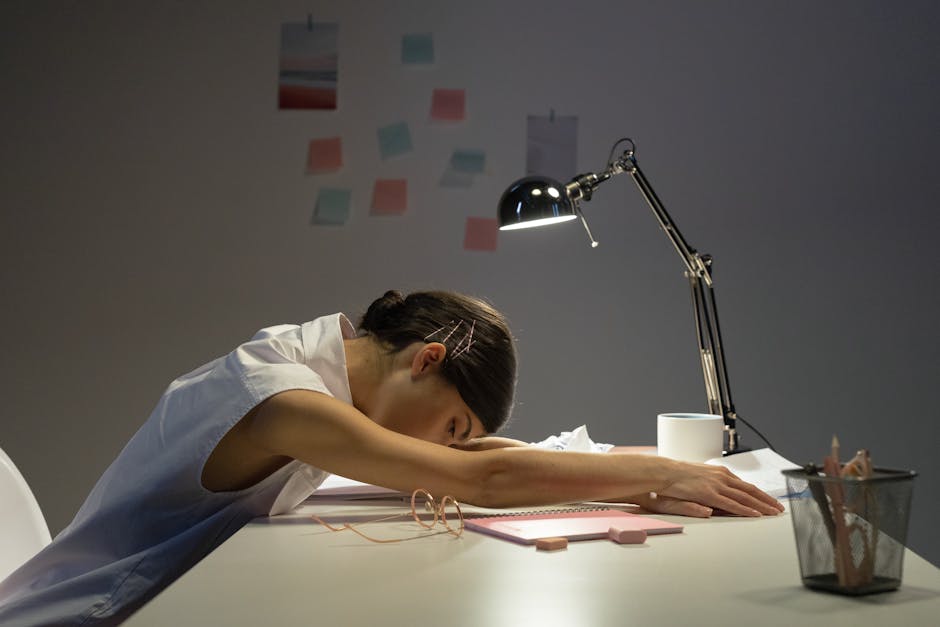
- Louder monitors increase ear fatigue faster. It tricks you into thinking you’re hearing more details when you’re actually overloading your auditory system. It’s a short-term fix that undermines your long-term hearing health and mix quality.
Instead of battling loudness creep with volume, take breaks, recheck your monitoring levels, and be mindful of your ears.
Proven Strategies to Stop Turning Your Monitors Up All Night
1. Set a Comfortable Reference Level and Stick to It
Choose a monitoring level that feels comfortable—typically around 80-85 dB SPL for tracking and mixing—and measure it with an SPL meter or a smartphone app. Make a habit of returning to this reference level every 20-30 minutes to recalibrate your perception.
2. Use Studio Monitors with Consistent Output and Consider Acoustic Treatment
Having reliable studio monitors that don’t exaggerate frequencies at higher levels can reduce the urge to tighten the volume knob. Pair this with basic acoustic treatment to minimize ear fatigue caused by reflections and “muddy” sound.
3. Integrate Breaks and Reset Your Ears
Every hour or so, take a 5 to 10-minute break in a quiet space. This is not a luxury—it’s essential. Dim the lights immediately after tracking, too. (Yes, dimming the lights after a session helps your brain unwind and resets sensory stimulation.)
4. Use Tools like Joy Organics CBD Sleep Gummies to Support Recovery
Sleep deprivation is a sneaky contributor to poor studio decisions—like raising monitor volumes unnecessarily. I've noticed that after especially grueling nights, some clients turn to supplements like Joy Organics CBD Sleep Gummies to help ease into restful sleep and wake up refreshed for a better morning session. While supplements are not a magic cure-all, choosing trusted brands like Joy Organics with verified certificates of analysis can support your nighttime routine safely.
5. Keep a Mental or Physical List of ‘2 AM Decisions’ to Revisit Later
I always make notes or mentally bookmark parts of the mix I’m tempted to tweak at 2 am. The next morning, fresh ears and a well-rested mind help sort good ideas from noise-induced mistakes.
Sample Daily Studio Monitoring Routine to Minimize Loudness Creep
Time Activity Monitoring Level Notes 7:00 pm Tracking Start 80 dB SPL Set reference level, calibrate monitors 7:30 pm Short Volume Check Adjust if necessary Ensure no volume creep 8:30 pm Break N/A Rest ears, dim lights 9:00 pm Resume Tracking/Mixing Return to 80 dB SPL Reset monitor level 11:00 pm Long Break N/A Consider light snack, CBD gummies for relaxation 11:30 pm Mixing 80 dB SPL or lower Stay consistent to avoid fatigue 2:00 am Make notes of ‘risky’ mix calls Don’t increase volume! Plan to revisit next morning 3:00 am End Session Turn monitors off, dim lights Let ears restConclusion
Monitor volume drift and loudness creep are almost inevitable enemies in late-night studio sessions, but they don’t have to dictate your workflow or final mixes. By understanding the physiological and psychological reasons behind turning those monitor knobs up, and adopting a disciplined approach including proper breaks, reference volumes, and supportive tools like Joy Organics CBD Sleep Gummies, you can preserve your hearing, improve your creative decisions, and wake up proud of your work instead of regretting those 3 am decisions.
Remember: your ears and mind deserve as much care as your gear. Stop fighting loudness creep—work smarter, rest better, and keep those studio monitors at a sane volume throughout the night.
```